Creating a refreshed bathroom begins with understanding the core principles of design: balance, functionality, and a cohesive mood. This guide explores practical bathroom decor ideas that blend style with everyday use, helping you choose colors, textures, lighting, storage, and finishes that endure. Whether you’re renovating a compact powder room or a full master bath, these insights align with professional design practices to deliver a space that feels calm, organized, and inviting.
Color palettes and finishes
Color influences mood and perceived space. For small baths, light neutrals like ivory, soft gray, and warm white can reflect light and visually expand the room. If you crave personality, introduce a restrained accent color through towels, artwork, or a ceramic tile band. For larger bathrooms, you can experiment with richer hues or moody saturations, but maintain harmony by balancing warm and cool tones. Choose moisture-resistant paints or tiles with a matte or satin finish to hide water spots and fingerprints. Pair natural stone textures or porcelain tiles with polished metal hardware for a timeless contrast that remains easy to clean and maintain.
Texture and material ideas
Combine textures to add depth without clutter. A large-format tile on floors with smaller mosaic accents around the shower can read sophisticatedly. Natural materials—like wood-look porcelain, stone-look tiles, or rattan accessories—warm up a cool palette while remaining practical in damp environments. Use glazed ceramic or glass for backsplashes and shower niches to reflect light and create clean lines that are easy to wipe down.
Storage, layout, and space optimization
Smart storage choices keep bathrooms organized and visually calm. Wall-mounted vanities and floating shelves create an airy feel and improve accessibility. In compact bathrooms, consider a recessed or corner vanity to maximize floor area. Use tall cabinetry or built-in niches for toiletries and towels, and integrate ventilated baskets for laundry or bulkier items. Mirror cabinets with hidden storage add practicality without sacrificing style. A well-planned layout reduces clutter, improves circulation, and makes daily routines smoother.
Practical tips
Plan around a focal point, such as a statement mirror or a striking tile installation. Use uniform metal finishes for fixtures (e.g., brushed nickel or matte black) to create a cohesive look. Select slip-resistant flooring and consider underfloor heating in cooler climates for comfort and perceived luxury.
Lighting and ambiance
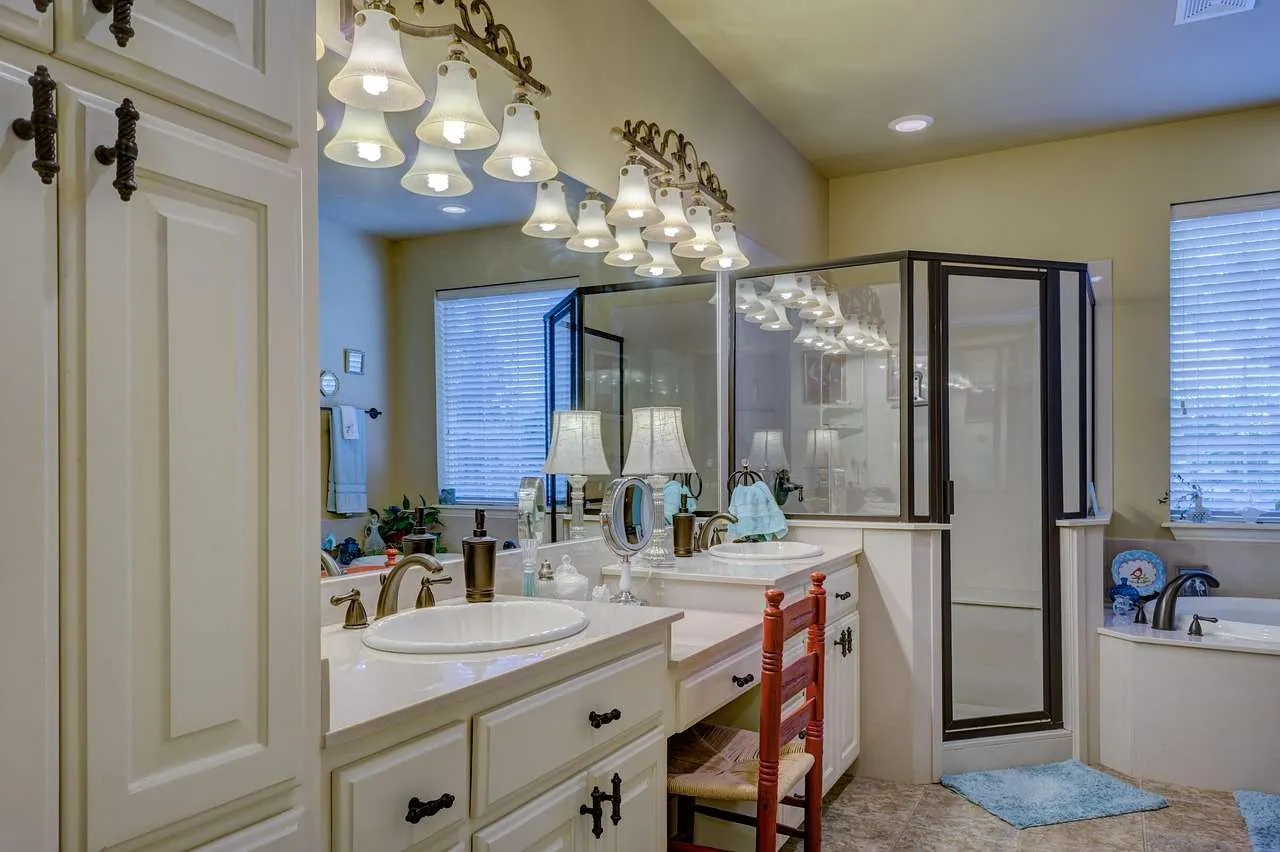
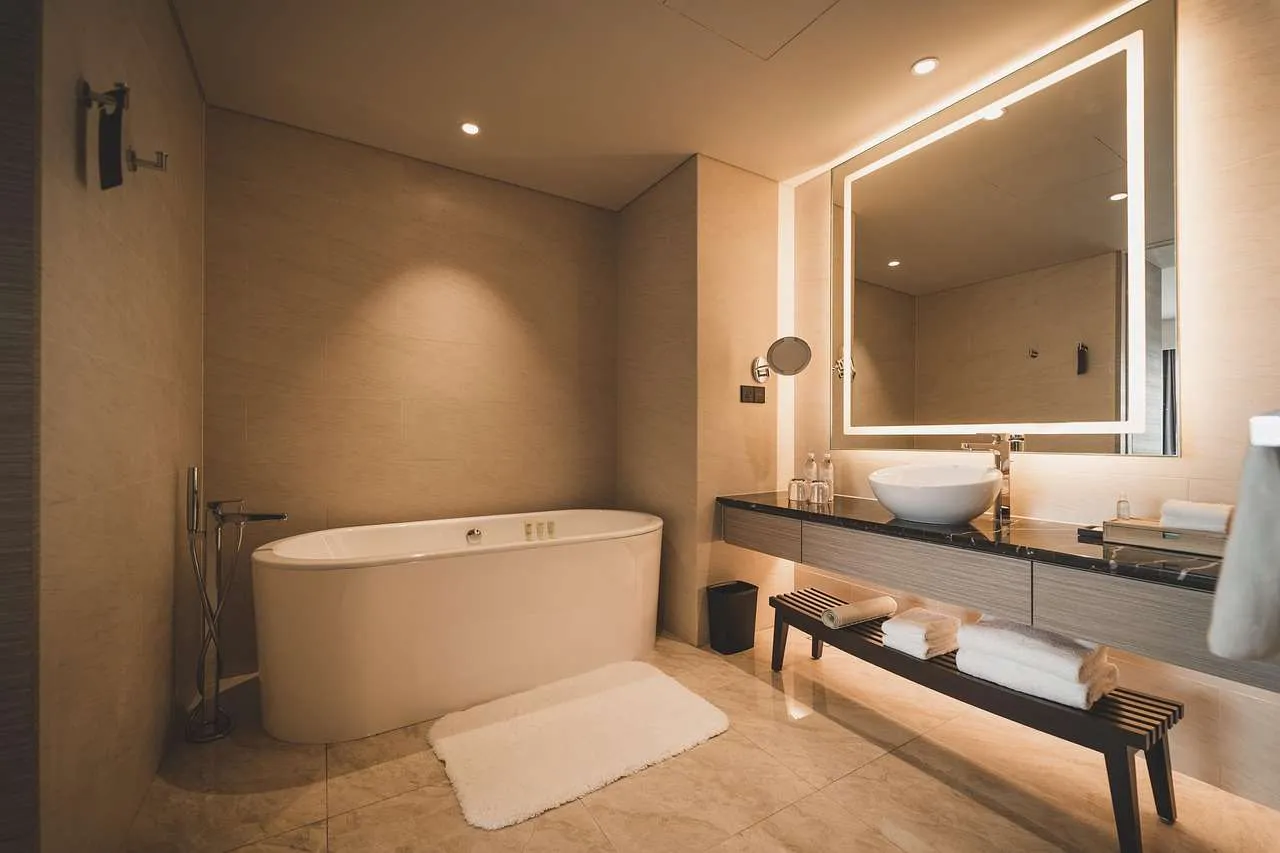
Layered lighting is essential for both function and mood. Combine a central ambient light with task lighting around the mirror to reduce shadows for grooming. Consider dimmable fixtures to transition from bright daytime tasks to relaxed evenings. Incorporate accent lighting behind cabinetry or under floating vanities to add depth and warmth. Natural light, if available, is a powerful mood-builder; pair it with sheer window coverings that maintain privacy without dulling daylight.
Lighting strategies
A balanced mix of ambient, task, and accent lighting helps each activity—shaving, applying makeup, bathing—be efficient and pleasant. Choose LED bulbs with a color temperature around 2700–3000K for a warm, spa-like feel or 3000–4000K for a more energizing daytime atmosphere. Ensure bathroom lighting is rated for damp locations and that fixtures are installed to minimize glare on mirrors.
Fixtures, hardware, and wall treatments
Fixtures and hardware define the bathroom’s character. Select faucets and shower hardware in a consistent finish to unify the design. Popular options include satin nickel, brushed brass, and matte black. Keep high-traffic surfaces simple and durable; for wall treatments, consider moisture-resistant paint or resin-coated wallpapers designed for bathrooms. If you love texture, a tile feature wall or a woven wallpaper in a non-wet zone can add depth without compromising durability.
Personal style and accessories
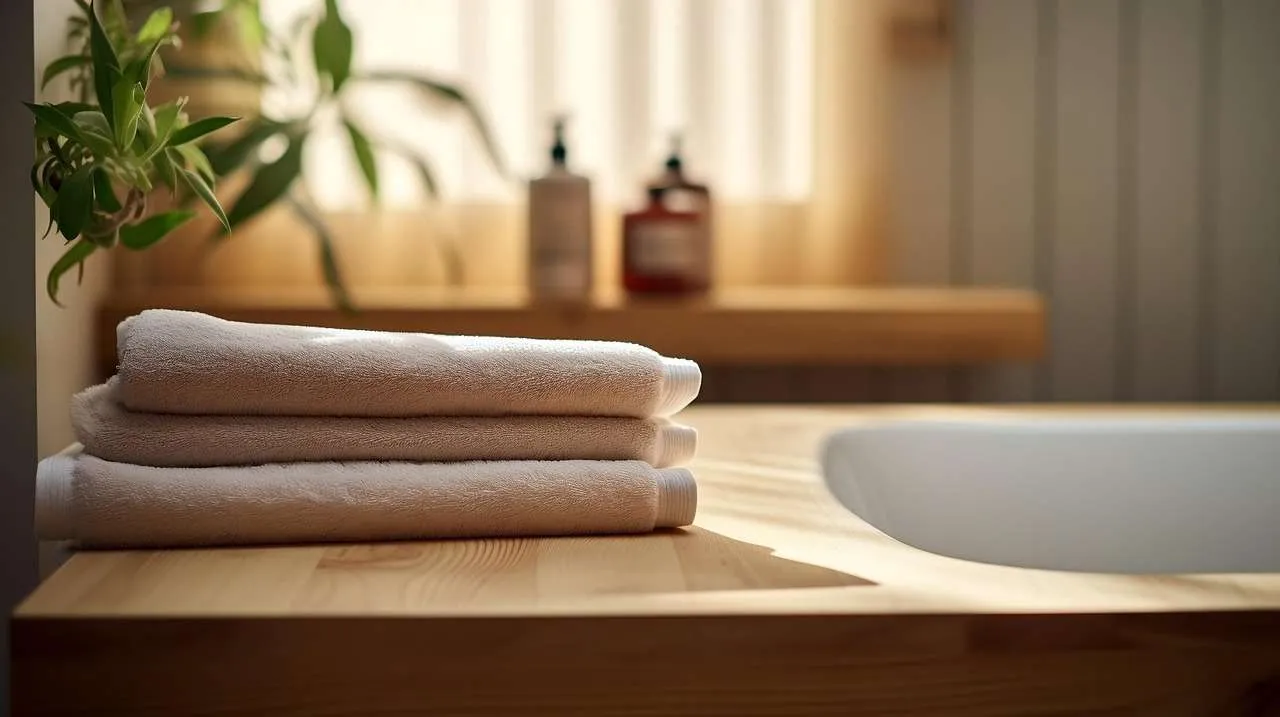
Your bathroom should reflect your lifestyle while remaining cohesive with the rest of your home. Minimalist spaces favor clean lines, hidden storage, and a restrained color palette. In a cozy, spa-inspired bath, soft textiles, natural wood accents, and lush greenery create retreats that feel restorative. For those who adore glam, incorporate glossy surfaces, metallic accents, and plush textiles to convey luxury. Accessories such as towel rings, soap dispensers, and baskets should feel intentional—every piece should have a purpose and a place.
Style comparison: a quick overview
| Style | Key Elements | Pros | Cons |
|---|---|---|---|
| Minimalist | Neutral palette, clean lines, hidden storage | Calm, easy maintenance, timeless | Can feel cold if over-simplified |
| Modern | Sleek fixtures, flat panels, high-contrast elements | Current look, versatile with other styles | Requires upkeep and precise detailing |
| Coastal | Light blues, whites, natural textures | Airy, refreshing, easy to refresh | Can feel dated if not updated |
| Classic | Timeless fixtures, subway tile, warm woods | Enduring appeal, high resale value | May require more maintenance to stay fresh |
| Glam | Metallics, glass, marble, bold hardware | Drama and luxury, standout appeal | Higher cost, trend sensitivity |
Planning your bathroom decor makeover
Turn ideas into a coherent plan with a practical approach. Start by auditing the space: measure, note current plumbing, and list must-haves. Create a mood board with samples of tile, paint, and hardware. Set a budget with line items for cabinetry, fixtures, lighting, and labor. If you’re unsure about electrical or plumbing changes, consult a licensed professional. Finally, source materials locally when possible to reduce lead times and support reliable delivery schedules.
Implementation steps
- Define the dominant style and color story.
- Choose durable materials rated for bathrooms and a cohesive hardware finish.
- Plan storage around routines to keep essentials organized.
- Schedule lighting in layers and test lighting at different times of day.
- Approve samples in your actual space before purchasing, to ensure color accuracy under mixed lighting.
Conclusion, or Summary, a well-executed bathroom decor plan blends aesthetics with practicalities. By focusing on color and finishes, smart storage, layered lighting, and consistent hardware, you create a space that is both beautiful and highly functional. Start with a simple mood board, apply durable materials and finishes, and refine with your personal style for a bathroom that stays fresh for years to come. Summary: A thoughtful mix of color, texture, lighting, and storage—anchored by consistency in hardware finishes—transforms any bathroom into a serene, efficient retreat that matches your daily routines and long-term goals.